Nigeria Picks 112, Emergencies Await Actual Help · National Cake
SatireNews2 min read
Nigeria Finally Has One Emergency Number, Because Apparently Even Emergencies Were Tired of Nigerian Bureaucracy
Nigeria is simplifying emergencies into one number, 112, ending the era of victims needing a contact list, a prayer point, and an uncle in uniform. Officials say help is coming nationwide, once the committee finishes rescuing the rescue system.
Nyesom Dwala
Share
Federal Government
The government wants Nigerians to dial 112 for help. Now we just need the help to arrive before the person finishes explaining the emergency.
Nigeria is finally trying to make life easier for people in trouble. The Federal Government has begun work on a nationwide rollout of 112 as the single emergency number, meaning Nigerians should eventually have one number to call for police intervention, accidents, fires, medical emergencies, kidnappings, and other situations where shouting “Jesus!” alone may no longer be sufficient.
Honestly, this is good news.
Because Nigeria has somehow managed to make even being in danger an administrative exercise.
You could be inside a burning building and still be wondering, “Is this Police, Fire Service, FRSC or NEMA matter?” By the time you finish searching your phone for the correct number, the fire has already submitted its own report.
That is what the government says 112 is supposed to solve. The National Economic Council approved the number in April as a universal toll-free emergency line, and the government is now developing the operational roadmap and procedures needed to make it work nationwide.
A committee involving the Police, Nigerian Communications Commission, NEMA, FRSC and other agencies has been tasked with figuring out how everything will work.
And this is where Nigerians must pray.
Because nothing scares a Nigerian like hearing that something has entered “committee stage.”
The government says there are already about 35 Emergency Communications Centres established nationwide, but officials also acknowledge that the bigger challenge is getting all the relevant agencies, states, and responders to actually work together when somebody dials 112.
Which sounds simple until you remember this is Nigeria.
Imagine calling 112 because somebody has broken into your house.
“Hello, emergency.”
“Yes, please send police.”
“Which police?”
“Police police.”
“State or federal?”
“Please, sir, just send somebody!”
That is precisely the kind of confusion the new system is supposed to eliminate.
Vice-President Kashim Shettima has ordered stakeholders to develop the roadmap and standard operating procedures, while promising that funding will be available once the system moves forward.
So, Nigerians, 112 is coming.
One number. One call. One hope.
Because if everything goes according to plan, you will no longer need ten phone numbers, three WhatsApp contacts, and one uncle who “knows somebody in the police.”
Just dial 112.
And please, for the love of God, let somebody actually pick up.
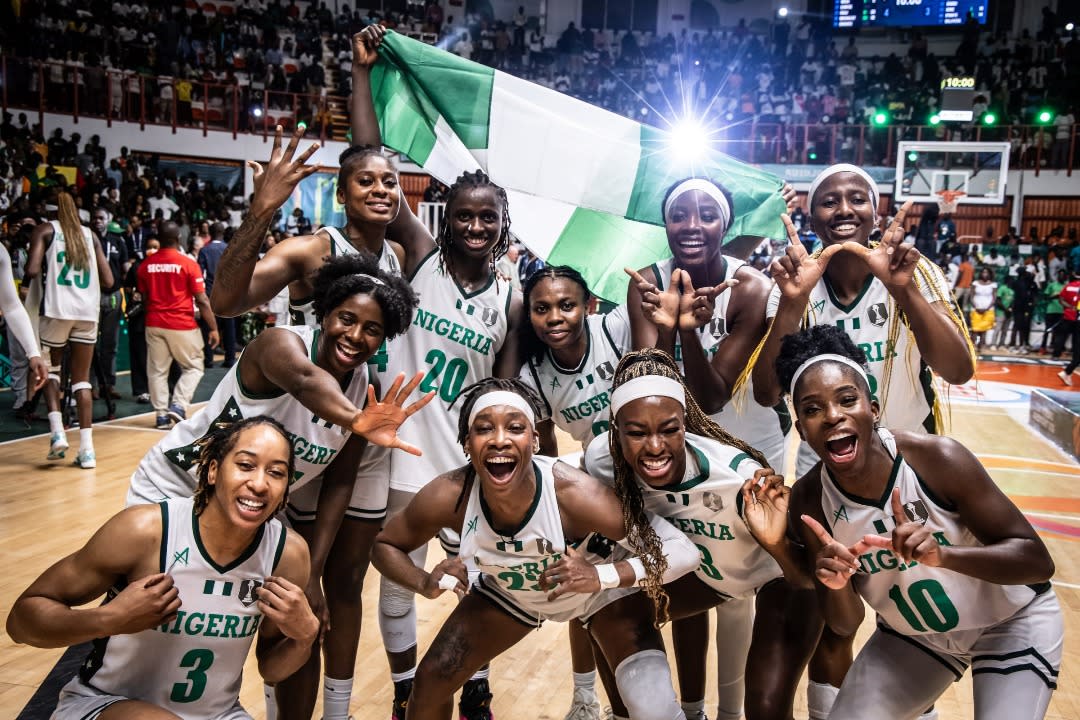
After rewarding D’Tigress with dollars, flats and national honours, Nigeria is being gently asked to extend the same championship energy to roads, courts and basic infrastructure before the next victory parade requires a tow truck.
After 110 years, Nigeria has bravely discovered that the correct response to a suicide attempt may not be prison, a breakthrough expected to shock the colonial ghosts who wrote our laws and the ministries still using them.
After years of learning fuel economics by force at the pump, Nigerians have now upgraded to refinery shareholders, with aunties, barbers and landlords suddenly discussing IPOs like they were born inside the NGX trading floor.
After IPMAN hinted that petrol prices may reduce “in the coming days,” Nigerians have reportedly begun holding midnight vigils beside their fuel tanks. Experts warn that in Nigeria, “soon” can mean anything from tomorrow to after your generator has finished the evidence.
Lawmakers say a “government agency” that may not legally exist still managed to collect letterhead, confidence, and 58 bank accounts like souvenirs. In Nigeria’s latest startup success story, even the banks are now asking, “Please, who approved this ministry?”
INEC says AI deepfakes may threaten 2027’s credibility, raising fears that robots could soon outperform politicians in the ancient democratic art of confidently lying to Nigerians.