
The Nigerian Celebrity Economy: Why Fame Is Increasingly Becoming a Full Business
Nigeria’s celebrity industry has finally discovered what oil blocks knew all along: attention can be drilled, refined, and sold. Talent is now just a nice souvenir item in the gift bag.
There was a time in Nigeria when being famous meant you were good at something: singing, acting, dancing, or making people laugh. Today, being famous is the job itself. Fame now comes with a business plan, a manager and a content calendar.
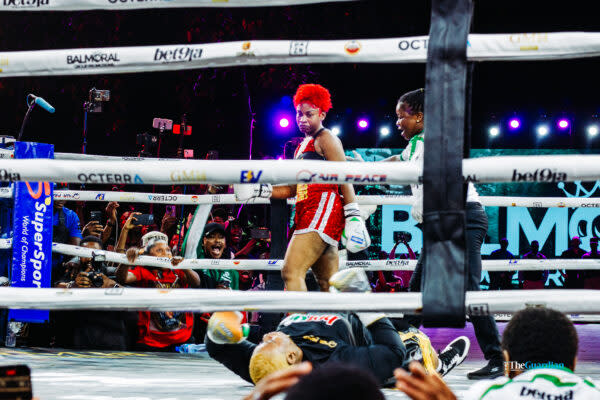
Look at the last few days. Temi Nkem won Big Brother Naija after 70 days of being watched, and went home with a ₦160 million prize package, including ₦90 million in cash and an SUV. That's attention turned into cash. Meanwhile, Phyna knocked out Nkechi Blessing at a celebrity boxing show at the Federal Palace Hotel, and two days later Teni proposed a ₦1.5 billion fight with Tiwa Savage, who replied with "Pick a date." Even the beef has a revenue model.
So how does the celebrity economy work? Very simply:
Step 1: Get attention. Any attention. A song, a reality show, a viral clip, a controversy.
Step 2: Turn attention into followers. Followers are the new landed property.
Step 3: Turn followers into deals. Endorsements, ambassadorships, appearances. There's a price for everything from "wearing this" to "saying this."
Step 4: Turn deals into events. Shows, boxing matches, podcasts, merch.
Step 5: Repeat, but bigger.
Notice what's missing? Talent isn't required anymore. It's a bonus feature, like free Wi-Fi in a hotel. Lovely if it works, not part of the deal.
Today's celebrities also run side hustles the way danfo drivers run side routes. A singer may own a restaurant, a clothing line, a podcast, and a record label, and occasionally release a song to keep the whole machine alive.
To be fair, there's a smart side to this. For years, Nigerian entertainers were underpaid and heavily exploited. Treating fame as a business gives them leverage and income that doesn't depend on one hit or one role. That's healthy.
The catch is that when everything becomes content, authenticity gets shaky. Is that fight real or marketing? Is that apology sincere or strategic? The audience can't always tell, and that may be the whole point.
So the next time you scroll past someone who seems "famous for being famous," don't roll your eyes. They may be running a better business than most of us. Just ask yourself one question: who's the product?
Keep reading
More like this
- Opinion
The cost of living is becoming Nigeria’s most powerful political campaign, and the pepper seller is the campaign manager
Politicians may have buses, banners and jingles, but Madam at the market is running the real 2027 campaign. Every pepper price, fuel receipt and generator refill is now an opposition manifesto with no need for INEC approval.
Nyesom Dwala

Reader takes
0 comments