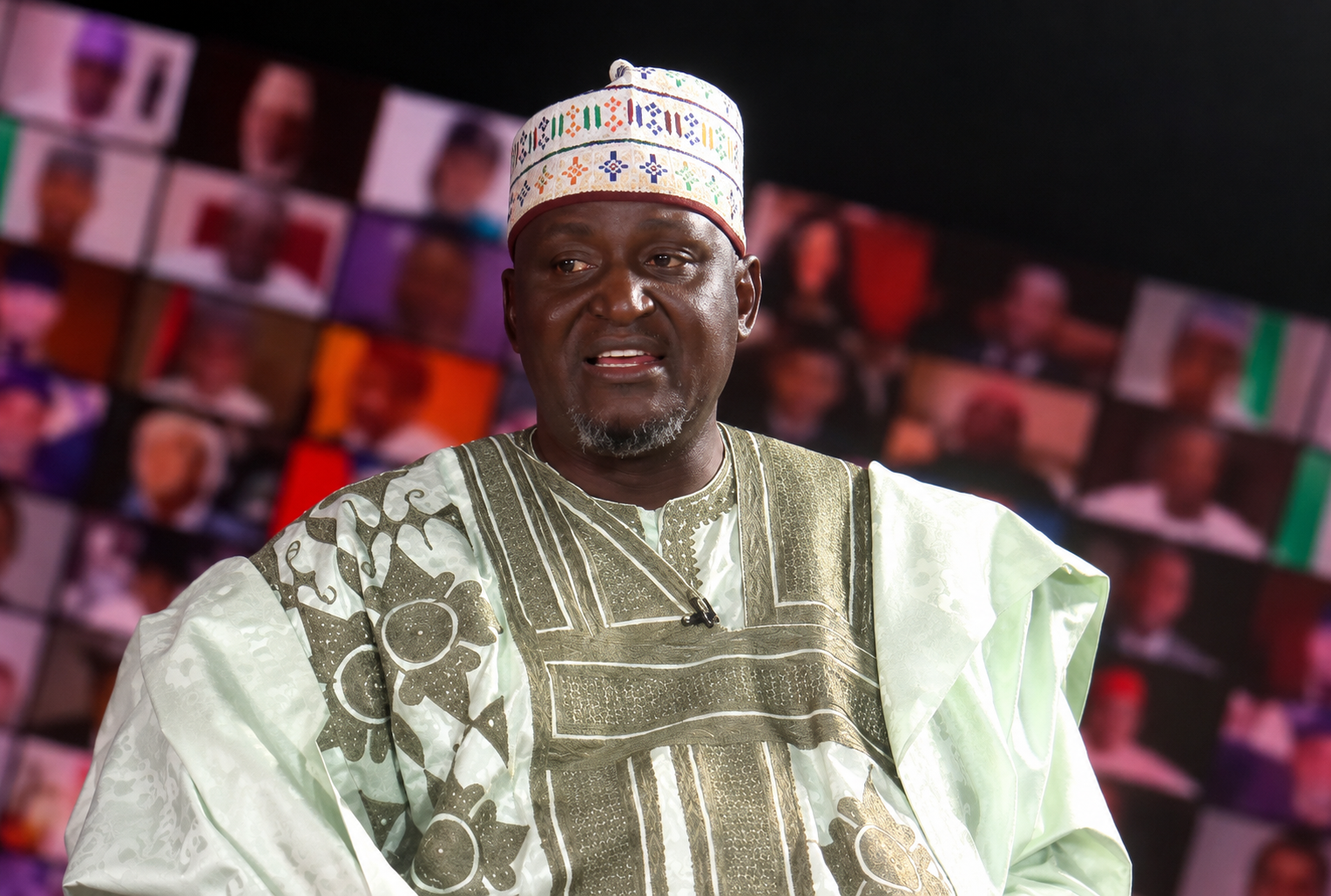
Federal Government Unveils New Economic Strategy Called ‘Suffer Now, Smile Later’
The Federal Government has unveiled a bold new economic plan, “Suffer Now, Smile Later,” assuring Nigerians that prosperity is just a few sacrifices away. Officials say the exact date of the smiling phase is still being processed, pending fuel price, food price and divine intervention.

The Federal Government has unveiled a bold new economic strategy titled “Suffer Now, Smile Later,” assuring Nigerians that the country is only a few more sacrifices away from prosperity.
At the launch ceremony, officials explained that the policy would require citizens to endure higher prices, transport fares, electricity bills, food costs, and occasional motivational speeches before the benefits begin to appear.
“We understand that Nigerians are asking when they will smile,” a government spokesperson said. “The answer is simple: later. We are currently working on the exact date.”
According to the government, the strategy is built on three key pillars: patience, resilience, and the ability to explain to your landlord that economic reforms are in progress.
Officials said the reforms may initially cause discomfort, but insisted that discomfort is a sign that the economy is healing. They compared the process to bitter medicine, except the medicine costs more every week and comes with no dosage instructions.
Citizens have reacted with mixed emotions, mostly because their emotions are now being affected by the price of food.
“I have been suffering since the previous administration,” said one Lagos resident. “At this point, I would just like to know whether my suffering has been registered in the system.”
Another citizen said she supports the policy in principle but requested a clearer timetable.
“If they say smile later, they should at least tell us whether it is later this year, later next year, or later in the afterlife,” she said.
Economists have described the policy as ambitious, noting that Nigerians have become highly experienced in surviving difficult economic conditions without receiving the promised sequel.
Meanwhile, the government has urged citizens not to panic, stressing that every sacrifice will count. At press time, Nigerians were advised to keep their receipts, as they may one day be needed to prove they participated in national development.
Keep reading
More like this
- News
Nigeria Has Given D'Tigress $100,000 Each, a Flat, and a National Honour. Now Someone Please Fix the Roads They'll Drive Home On
After rewarding D’Tigress with dollars, flats and national honours, Nigeria is being gently asked to extend the same championship energy to roads, courts and basic infrastructure before the next victory parade requires a tow truck.
Nyesom Dwala


Reader takes
0 comments